
Blog
How to Buy Sexual Wellness Products Safely: A Complete Guide

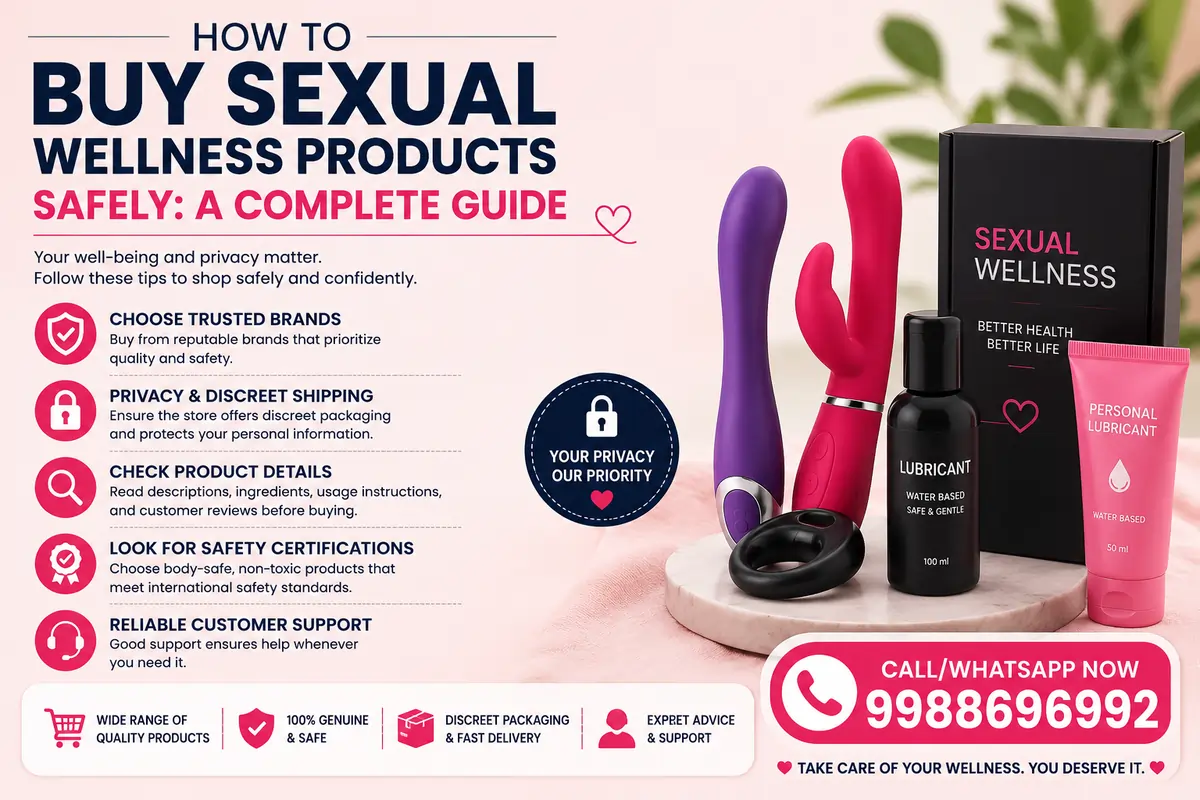
How to Buy Sexual Wellness Products Safely: A Complete Guide
Sexual wellness has become a mainstream part of overall health and self-care conversations. As more people look to explore intimacy, pleasure, and personal wellbeing, understanding how to shop safely for these products matters just as much as the decision to buy them. This guide covers what to look for in terms of material safety, hygiene, privacy, and general categories available — written to help buyers make informed, health-conscious decisions.
This article is educational in nature. It does not promote or endorse any specific retailer, and it avoids explicit descriptions. Its goal is to help readers understand safety standards and ask the right questions before purchasing.
Why Sexual Wellness Is Part of Overall Health
Medical and psychological professionals increasingly recognize that sexual wellbeing is connected to broader physical and mental health. Some general, widely cited benefits associated with sexual wellness practices include:
- Stress relief — intimacy and self-exploration can lower cortisol levels and support relaxation.
- Improved sleep quality — hormonal responses linked to intimacy, such as oxytocin release, are associated with better rest.
- Body awareness — understanding one’s own body can improve confidence and communication in relationships.
- Relationship communication — couples who openly discuss preferences and comfort levels often report stronger emotional connection.
- Mood regulation — physical intimacy is linked to the release of endorphins, which can support emotional wellbeing.
As with any health-adjacent product category, benefits are maximized when products are chosen thoughtfully and used safely.
Understanding Product Safety: What “Body-Safe” Actually Means
Not all products in this category are manufactured to the same standard. Here’s what buyers should look for:
1. Material Quality
- Medical-grade silicone, ABS plastic, glass, and stainless steel are generally considered body-safe materials because they are non-porous and easier to clean thoroughly.
- Avoid products made with jelly rubber or unspecified “skin-safe” blends, as these can be porous, harder to sanitize, and may contain phthalates — chemical plasticizers that some studies have flagged for health concerns with repeated exposure.
2. Certifications and Transparency
Reputable products typically disclose:
- Material composition
- Whether they are phthalate-free
- Whether they are body-safe certified or lab-tested
- Country of manufacture and safety compliance markings
If a seller cannot answer basic material questions, that’s a red flag.
3. Hygiene and Storage
- Non-porous materials can typically be cleaned with mild soap and water or a designated toy cleaner.
- Storage in a breathable pouch (not sealed plastic) helps prevent material degradation.
- Products should never be shared without proper cleaning or barrier protection between uses.
Categories of Products (General Overview)
The sexual wellness market is broad, and products generally fall into a few general use categories:
- Individual wellness products designed for personal use and self-exploration.
- Couples’ products designed to be used together to enhance shared intimacy.
- Accessibility and comfort products, including those designed for people with mobility limitations, chronic pain, or age-related changes in sensation.
- BDSM and sensory play accessories, which range from soft restraints to sensation-based tools — these should always come with clear safety guidance, especially around materials that contact skin and any restraint mechanisms (quick-release designs are considered a safety best practice).
- LGBTQ+-inclusive product lines, designed with anatomy and use-cases that reflect diverse bodies and relationships, rather than a one-size-fits-all approach.
When shopping, it’s worth prioritizing sellers who provide clear usage guidance and safety information for each category rather than vague marketing claims.
How to Buy Discreetly and Safely
Privacy is a top concern for most buyers. Reputable sellers — online or in physical stores — typically offer:
- Plain, unmarked packaging with no external branding indicating contents.
- Discreet billing descriptors on bank or card statements.
- Secure payment processing, ideally with encrypted checkout (look for “https” and a padlock icon in the browser).
- Clear return/exchange policies — though due to hygiene regulations, many wellness products are non-returnable once opened, which should be disclosed upfront.
- Age verification at checkout, which is a sign of a compliant, responsible retailer.
Red Flags to Avoid
- No physical business address or contact information
- Prices that seem too low for the claimed material quality
- No information about material composition
- Pressure tactics or countdown timers pushing immediate purchase
- Lack of any privacy policy on the website
Legal Considerations in India
Laws around the sale of sexual wellness products in India have historically been ambiguous, with regulation varying by interpretation of obscenity laws rather than explicit product-specific legislation. Many online retailers operate in this space, but buyers should be aware that:
- Regulatory clarity is still evolving, and rules can differ by state and context.
- Retailers should be operating with proper business registration and age-gating on their websites.
- Consumers should exercise personal judgment and discretion, as with any product category operating in a legally evolving space.
This article does not offer legal advice — if you have specific legal questions, consulting a professional familiar with local regulations is recommended.
Questions to Ask Before You Buy
Q: What materials are safest for sexual wellness products?
A: Medical-grade silicone, stainless steel, glass, and ABS plastic are widely considered the safest because they are non-porous, hypoallergenic, and easy to sanitize.
Q: How can I tell if a seller is legitimate?
A: Look for a physical address, clear material disclosures, secure checkout (https), a real privacy policy, and age verification at purchase.
Q: Are sexual wellness products good for relationships?
A: Many couples’ therapists note that open conversations about intimacy preferences — which product exploration can encourage — are linked to stronger communication and connection.
Q: How should these products be cleaned?
A: Non-porous materials can generally be cleaned with mild, unscented soap and warm water, or a specialized cleanser. Always follow manufacturer instructions.
Q: Is buying these products online safe?
A: Yes, when purchasing from a retailer with transparent business practices, secure payment systems, and discreet shipping and billing.
Conclusion
Choosing sexual wellness products doesn’t have to feel confusing or risky. By focusing on material safety, transparent sellers, discreet delivery, and proper hygiene practices, buyers can make informed decisions that support both their comfort and their health. As with any wellness-related purchase, taking a little time to research materials and seller credibility goes a long way toward a safe, positive experience.
This article is for general educational purposes and does not constitute medical or legal advice. If you have health-related questions, consult a healthcare provider.